

Have you ever considered the environmental impact of your weekly wash? Water usage aside, lets focus on eco-friendly laundry detergents, as this is by far the easiest change you could make in effort towards a greener lifestyle at home. Unlike classic bars of soap that are usually made from natural sources, non eco laundry detergents are far from naturally occurring.
In fact, most of them are made using synthetic chemicals. These synthetic chemicals are what help laundry detergents do their job in lifting stains, brightening whites and preserving colors.
They then get washed down the drain at the end of your wash cycle. Out of sight, out of mind, right? Unfortunately, not, as these detergents have a real environmental impact.
Why is traditional laundry detergent bad for the planet?
As mentioned, traditional laundry detergents are full of synthetic chemicals, they are mainly composed of surfactants, builders, bleach and enzymes. Here we’ll describe these key detergent ingredients to give you a better idea of what they do first in your wash and then once they have been flushed down the drain.
- Surfactants are a primary ingredient in detergents. The word surfactant means surface active agent and its job is to stir activity on the surface you are cleaning, this helps to remove things like dirt and light stains.
The known environmental impact of surfactants are that they can cause serious environmental pollution with a toxic effect on living organisms, particularly aquatic ecosystems.
- Detergent Builders are chemical compounds that are added to laundry detergents to improve its cleaning properties. The overall impact of these builders is considered to be small yet negative and none can be said to have a relative advantage or disadvantage. This unfortunately means even some eco friendly detergents aren’t 100% eco friendly.
- Bleach is probably the most known of these key detergent ingredients and it is relatively safe for the environment when used according to the instructions on most bleach bottles. This isn’t to say it is eco, bleach is still harmful to aquatic life when poured down the drain and then there is the impact of bleach production to consider too.
Factories that use bleach release toxins into the air through their ventilation and exhaust processes. Chlorine and other byproducts stay in the air and contribute to even more pollution that then eventually reach the earths atmosphere and ozone layer.
- Enzymes are one of the most eco friendly ingredients in most detergents, the most common enzymes, both of which are actually found in the body are lipase and protease. Lipases break down fats and oils, while proteases break down proteins these compounds make them excellent for removing stains.
Recent investigations show that enzyme systems could replace up to 25% of a laundry detergents surfactant system without compromising the cleaning effect. This would allow a much more sustainable detergent.
You can see that the majority of these detergent ingredients can affect aquatic life negatively if they are present in sufficient quantities. All detergents destroy the external mucus that protects the fish from bacteria and parasites. Most fish will actually die if detergent concentrations reach 15 parts per million. Phosphates in detergents can lead to freshwater algal blooms that release toxins and lower oxygen in waterways. The main culprits within detergents that contribute to toxicity are sodium silicate solution and the surfactants, the rest of the detergent, while still potentially toxic contribute very little in comparison to detergent toxicity.
Other environmental impacts of detergents include being packaged in non-reusable or recyclable materials, considering that detergent purchases are fairly regular this means thousands of these containers are being dumped in to landfills every week.
Are Non-Bio detergents better than traditional detergents?
The main difference between bio and non-bio is that bio detergents contain enzymes. While enzymes are great for getting rid of stains, some people find that they aggravate eczema and other skin conditions. Non bio doesn’t contain enzymes so it is much gentler, making it a better choice for sensitive skin.
This enzyme exclusion doesn’t mean that Non-bio detergents are better for the environment as many non-bio detergents still contain surfactants, phosphates and other chemicals that are all found in traditional detergents.
How eco-friendly detergents overcome the toxicity of traditional detergents
Eco-friendly is a broad term but when it comes to detergent it means that these detergents are completely free from the harsh chemicals found in traditional detergents. They also use natural coloring and fragrance (if any at all).
Detergent packaged in recyclable bottles and made from recycled plastic is a good sign that said detergent is eco-friendly, also look for products that are phosphate free and bio degradable. Some will have a mark of approval from a trusted environmental body.
Detergent safety around toddlers
Before we get into recommending the best natural laundry detergents, we thought it would be good to give a little advice on keeping your little one out of harm’s way in your home laundry area.
The first step we’d recommend is to install a safety gate, especially if you have a keen explorer at home. Of course, you could just close the door behind you but we’ve found that to raise their interest in what goes on in there even more! A baby gate will allow them to watch what you are up to and enjoy your company from a safe vantage point.
Another simple suggestion and maybe an obvious one to some but it’s always worth a mention is to keep your laundry detergents out of reach! Even if you have the greenest, eco and zero waste laundry detergents it’ll never make it okay for baby to play with.
Young kids always like to test things with their mouths first, especially if they are teething. So, for example if you leave a box of pods sitting within their reach then there’s a risk they might just try and give it a chew.
The same goes for boxes of detergent powder or bottles of liquid detergents. The bright colors and strong fragrances associated with these products can lure your young kids towards them so it’s very important to keep them stored away out of their reach and sight.
What types of eco laundry detergent are there?
Eco Laundry detergents can be better for the environment in more ways than one. They can be liquid, gel or powder. Powdered eco laundry detergent is cheap and works best at removing stains but it can be messy to use and knowing how much to actually use per wash can be a bit confusing. Eco liquids and gels dissolve quicker and are bleach free which makes them gentler on clothes.
The greenest options to us are the gel pods which minimize waste and dissolve slower, they often come in plastic free packaging and the cardboard boxes they are packaged in are super easy to recycle. Making for a green, zero waste laundry detergent.
Our recommended Eco laundry detergents
Here we’ll highlight our top picks from each category of eco laundry detergent with a short description on each to help you pick what might be best for you! Rest assured all of our picks will be as green as we could find. These aren’t in any particular order so pick whatever stands out to you!
Liquid based detergents
It also boasts the same cleaning power as standard Tide detergent and from the reviews it looks to be true.
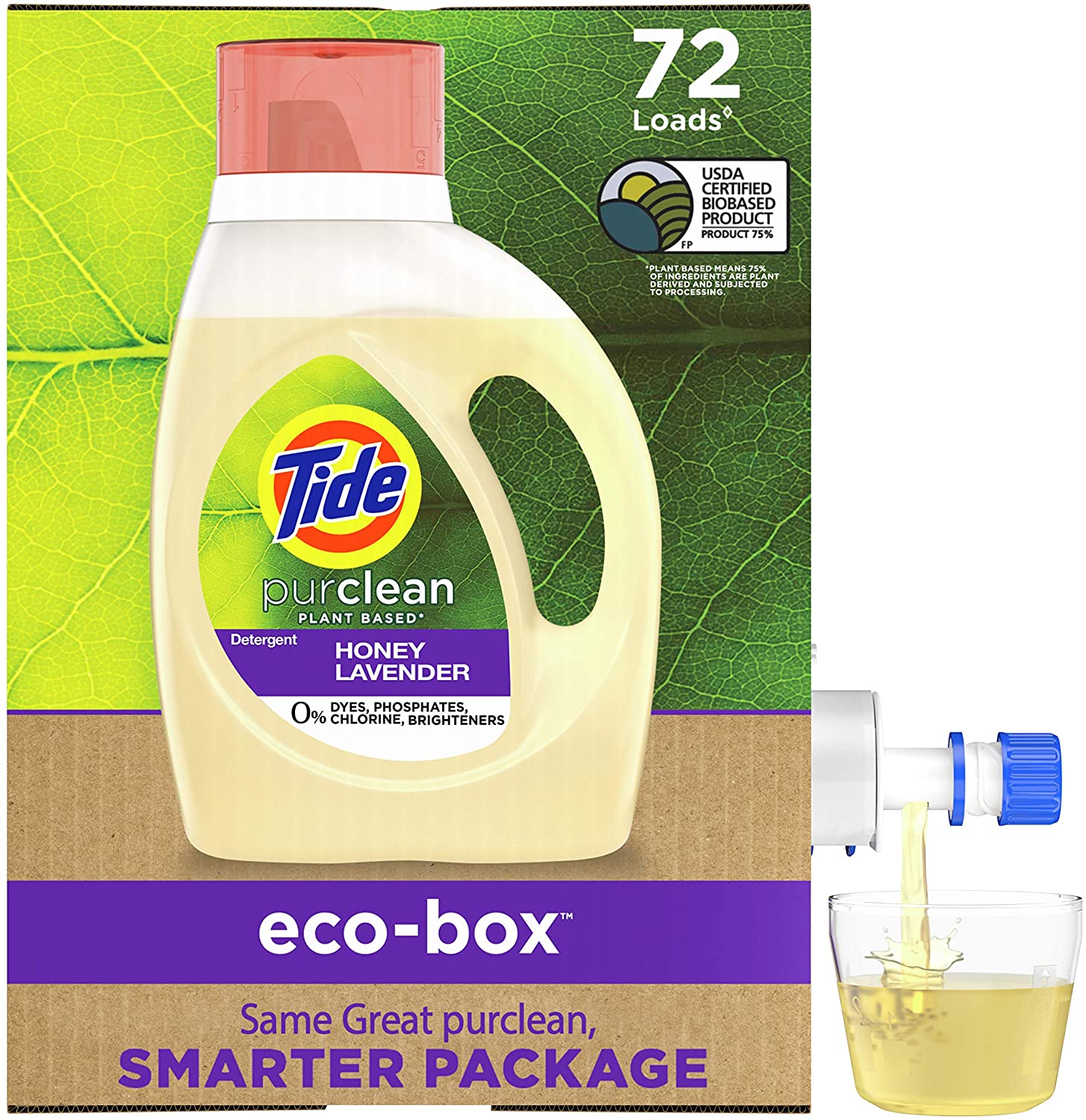
It does come in a plastic bottle but the bottle itself is safe to recycle and the detergent is made in a carbon neutral, water neutral and zero waste facility that uses 100% renewable energy. You can’t find much cleaner that that!
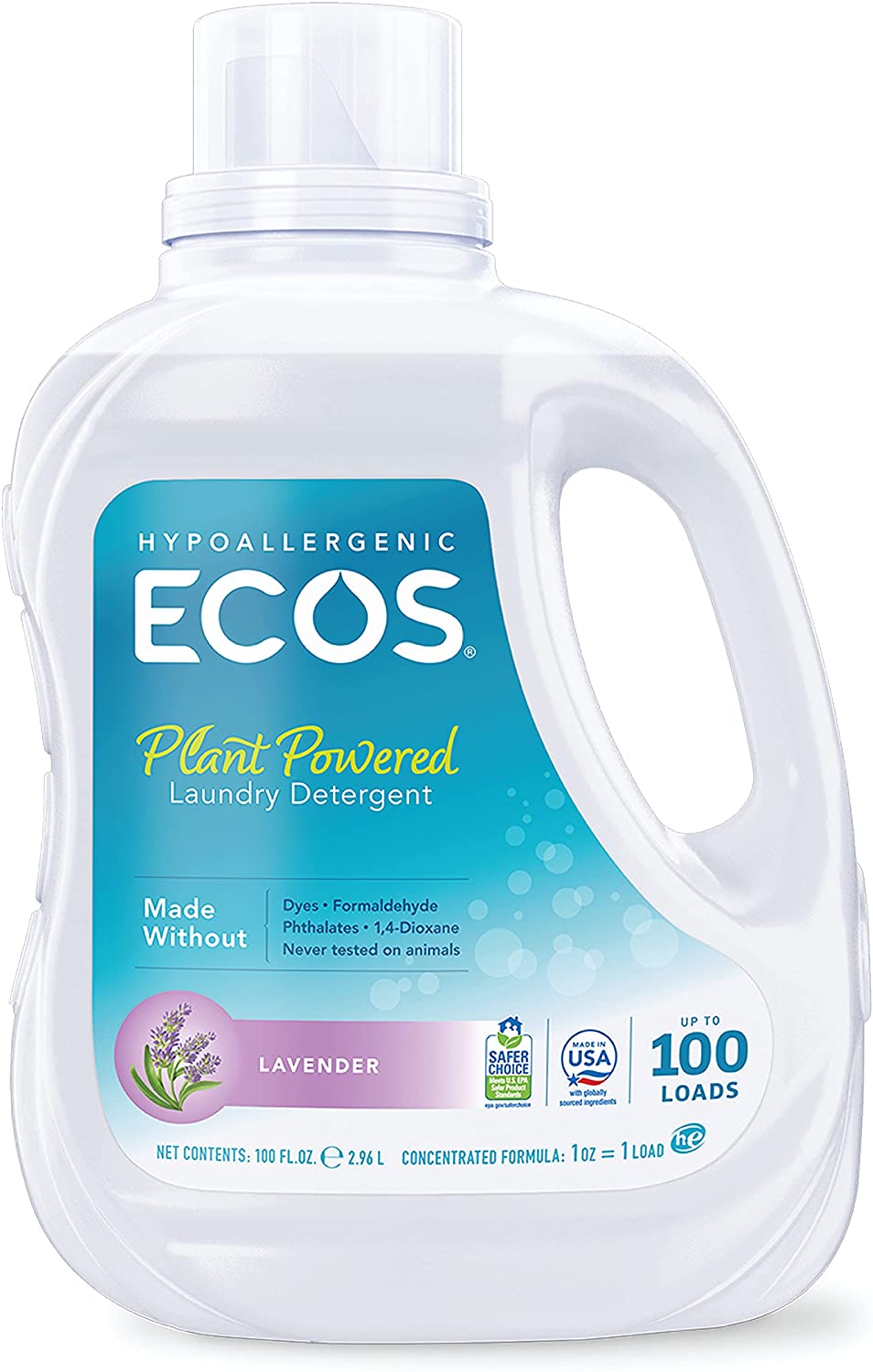
It’s an ultra-concentrated formula which means a little will go a long way in you washes and it allows the product to use smaller bottles, 60% less plastic to be exact and it uses 50% less water compared to the brands 100fl oz bottle.
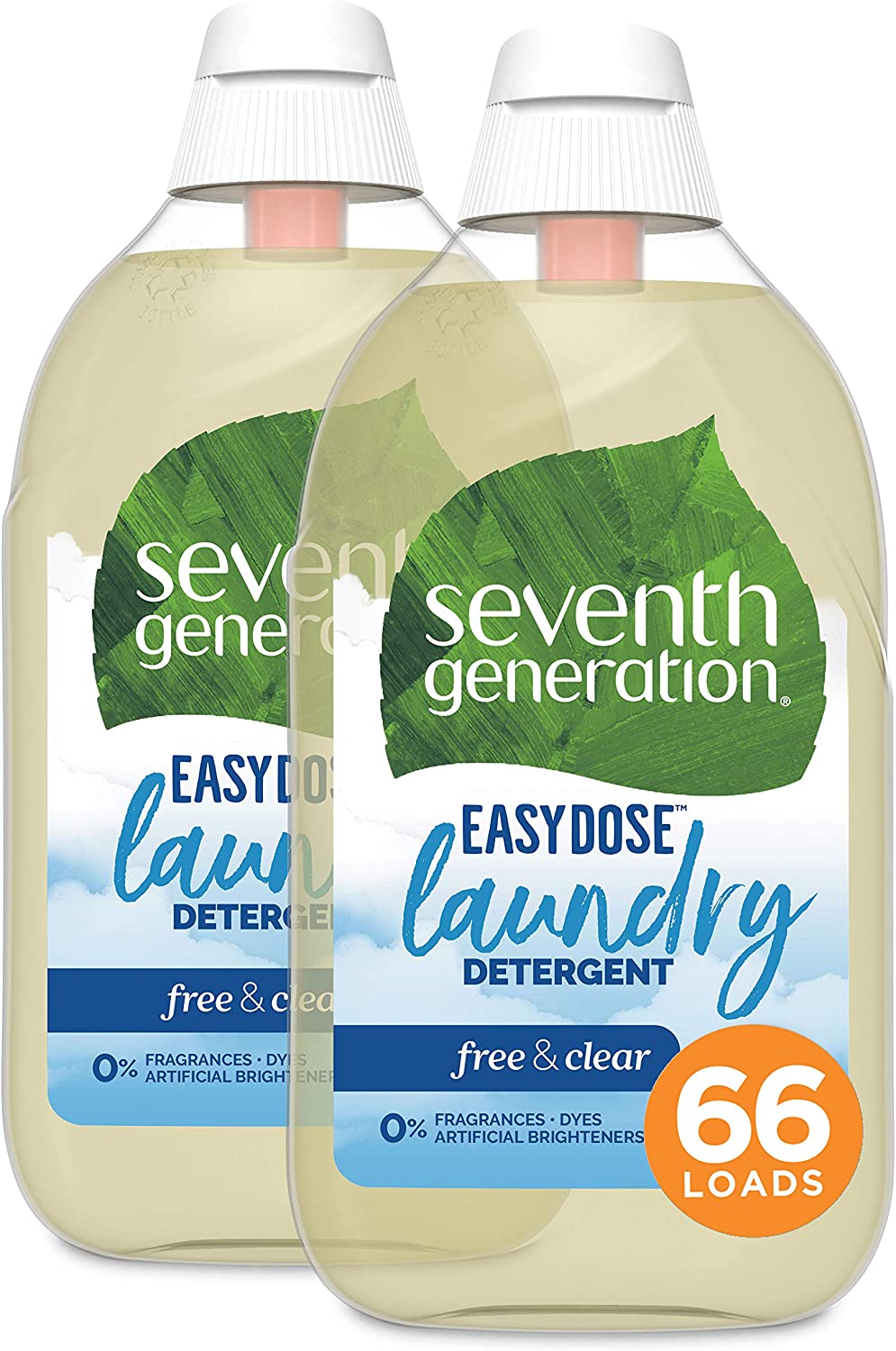
Eco Laundry Powder
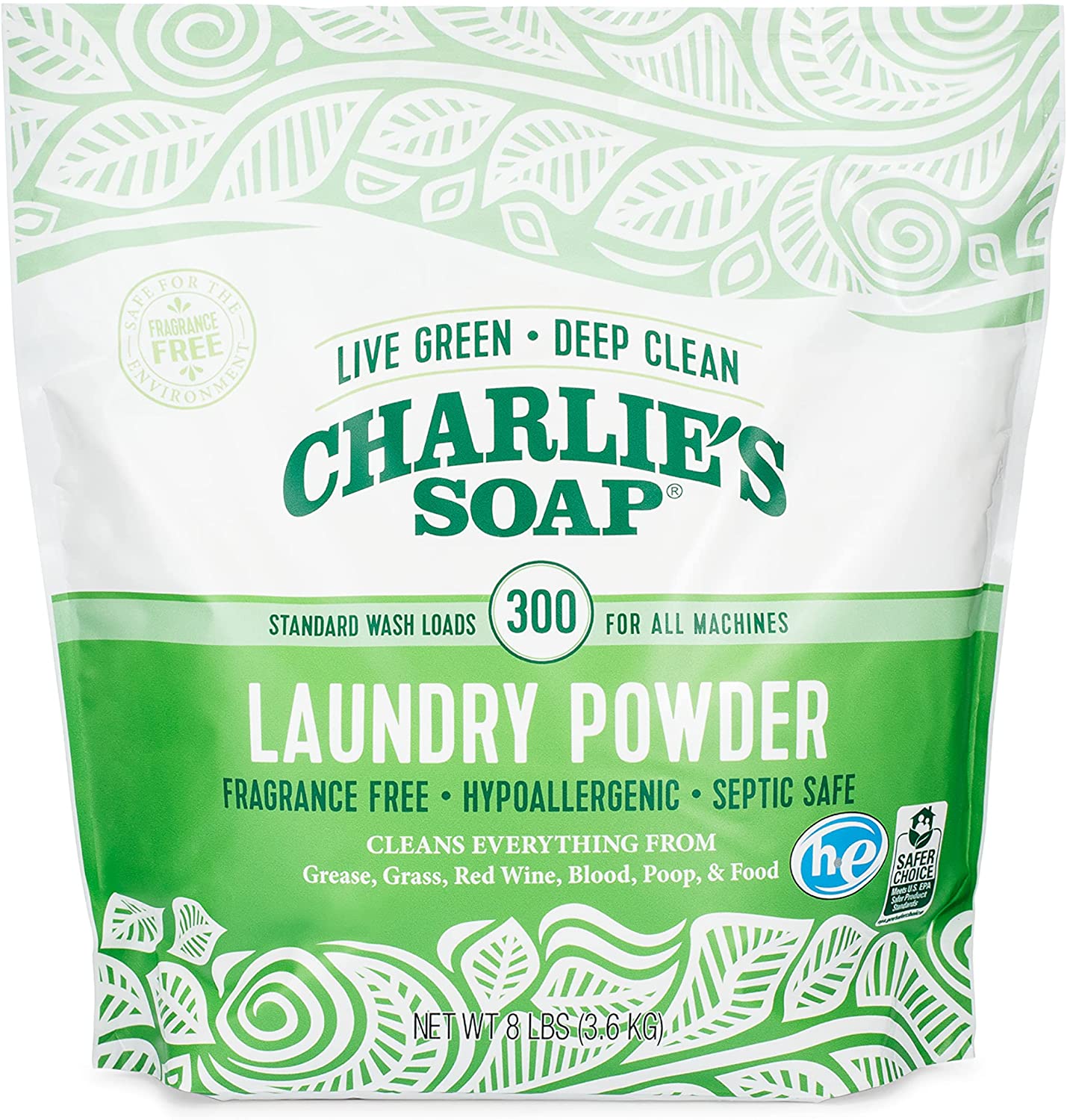
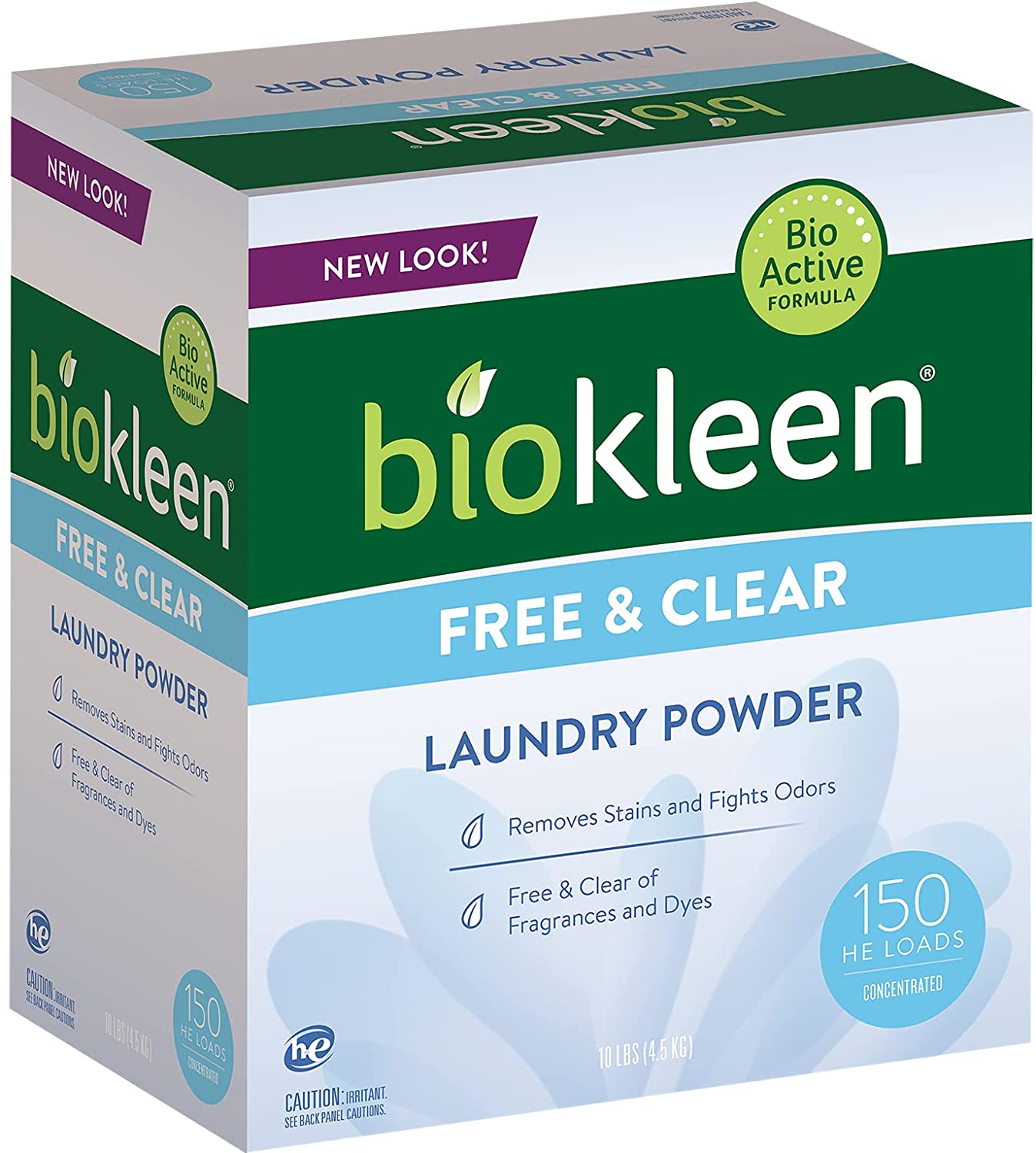
It’s packaged in a recyclable plastic bag within a recyclable box so while it maybe isn’t the most minimal packaging it is still reusable!
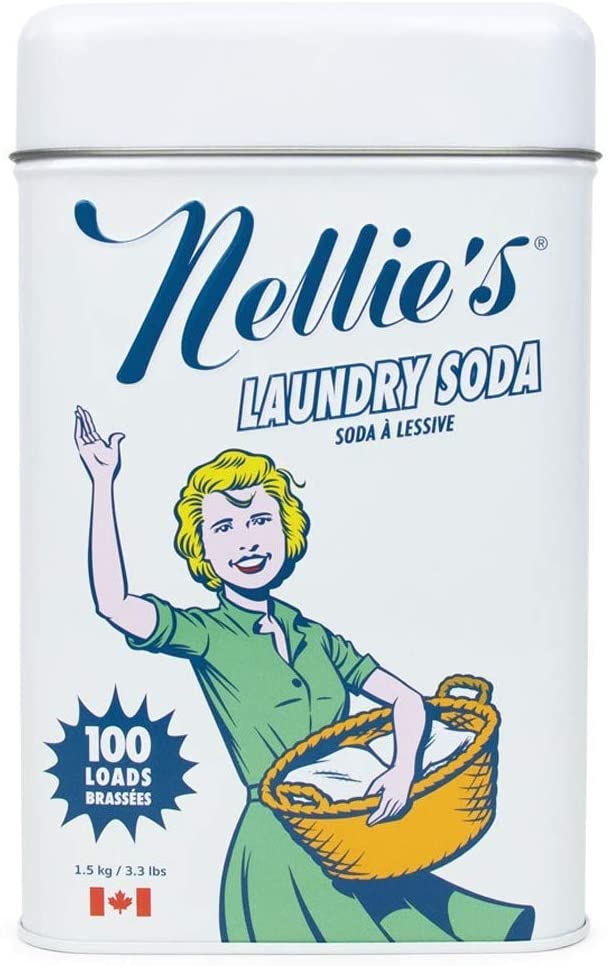
Nellie’s Laundry Detergent comes packaged in a nice metal box that you won’t want to throw away. Incase you’re wondering why they use metal packaging; it is because iron and steel are the most recycled materials and are the easiest to reprocess. This means it is just as easy to recycle as cardboard or plastic but it has the bonus of being reusable quicker, which we think is pretty cool!
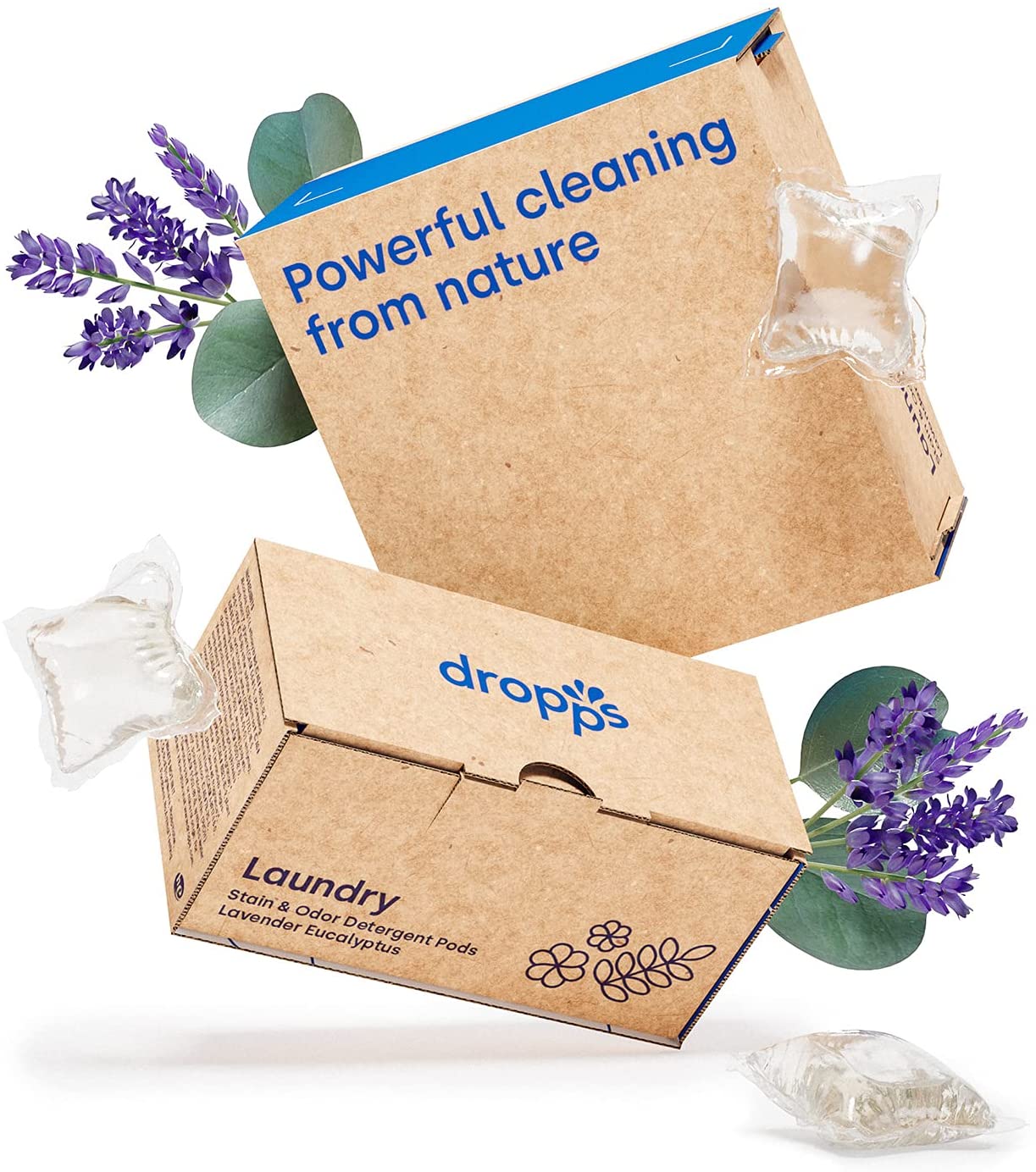
Eco Laundry Pods
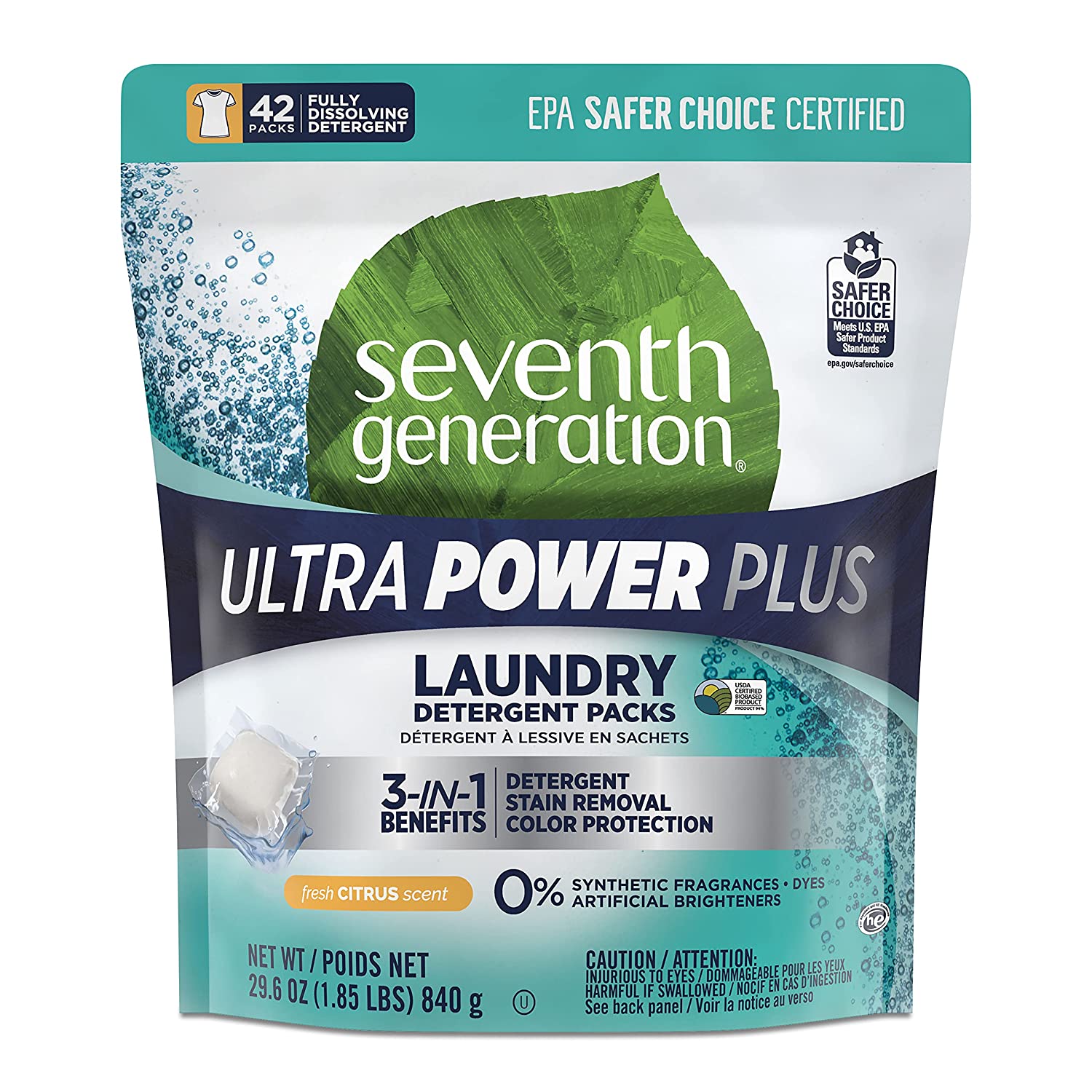
These pods are packaged in completely recyclable and compostable packaging, they have even gone as far as using water based low VOC inks on the packaging. Dropps is also partnered with Oceana who are the world’s largest ocean conservancy organization. Which is quite a nice seal of approval to have.
The Grab green 3 in 1 detergent pods come packaged in a recyclable plastic package which has stress free Velcro closures that’ll keep your pods fresh, say good bye to those awkward zip closures that always take a few attempts to close properly!
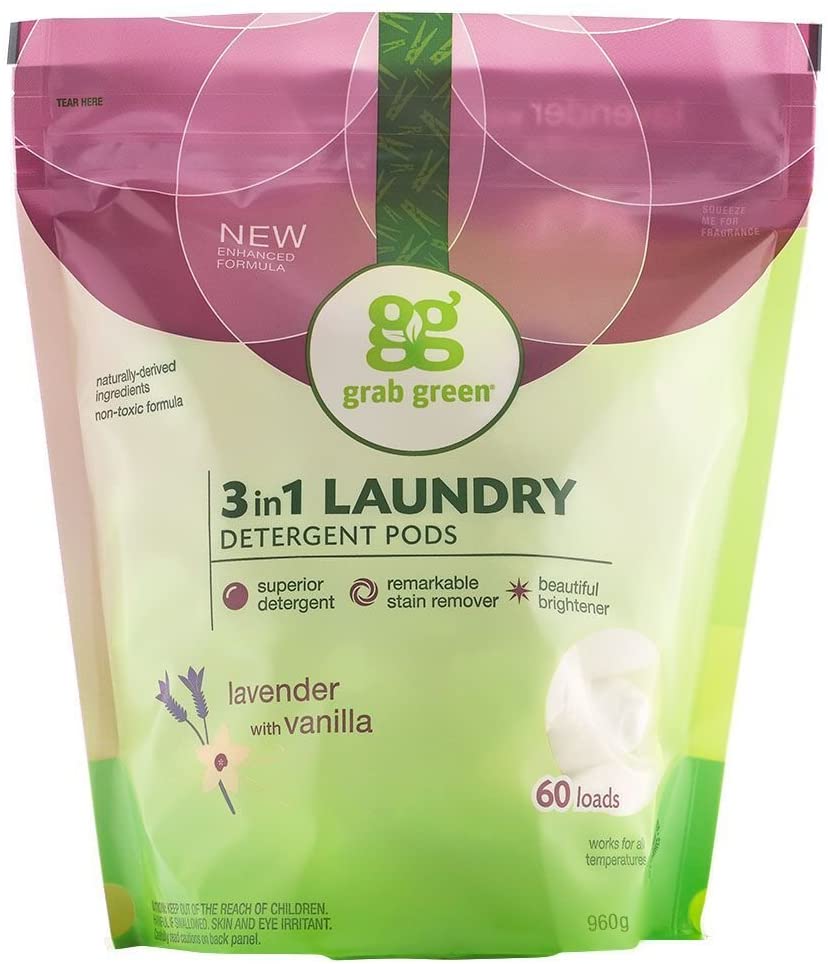
The pods work in all washing temperatures and promises powerful results in cold water so you can be sure of a super clean eco wash with these pods! They come packaged in a standard recyclable plastic package.
Soap Nuts
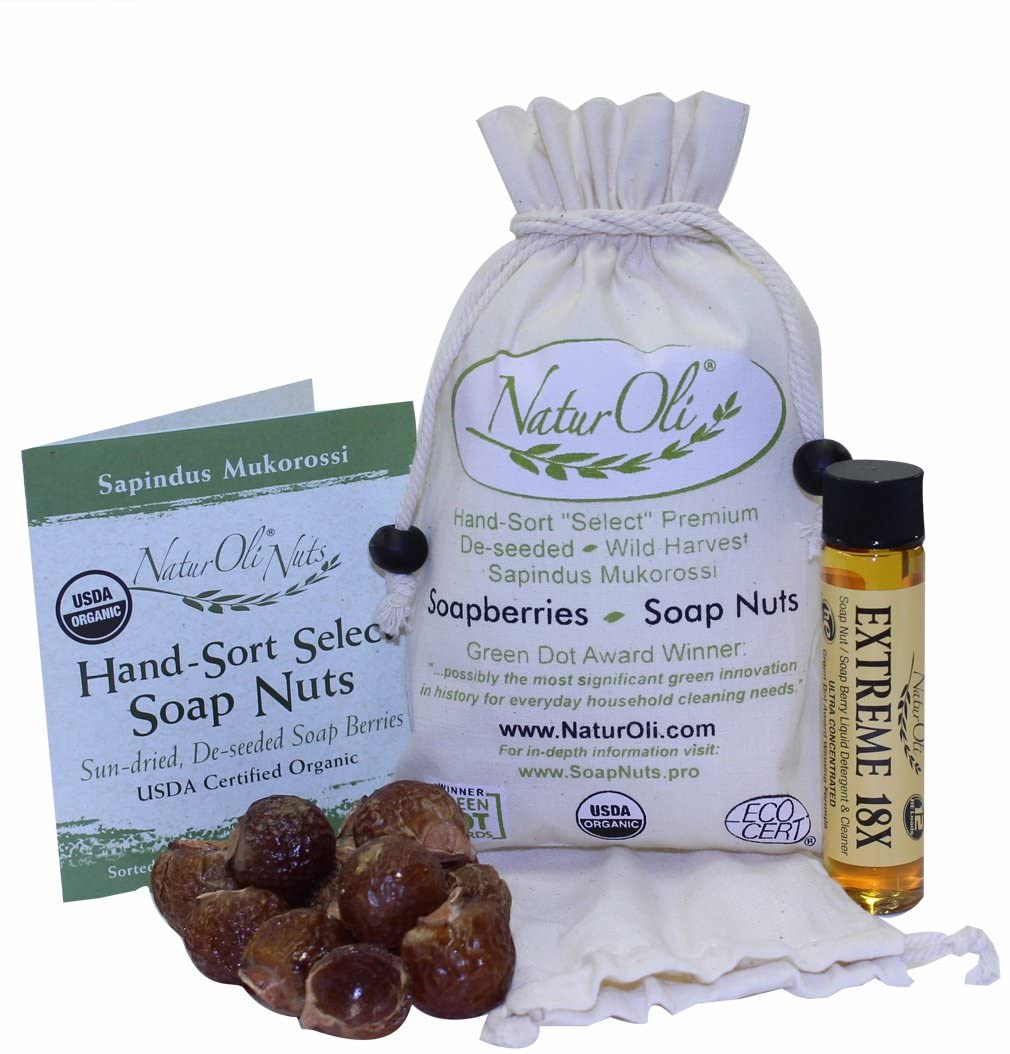
How do they work?
Well, when these nut shells absorb water, they release a natural chemical called saponin and this creates a soaping effect which cleans your clothes through a completely natural process! Soap Nuts are definitely becoming more well known amongst those that want to avoid standard detergents that harm the environment.
Soap Nuts can be composted after they have run their course and the saponin in them actually deters insects so pesticides aren’t needed to protect the nuts as they grow, so you can rest assure that these are a completely natural laundry detergent option for you.
How to make your own Laundry Detergent
If none of the above eco laundry detergents stand out or you are maybe suspicious of some of their listed ingredients, whatever your reason don’t give up yet as making your own organic laundry detergent is always an option!
It’s super quick and easy to put together and you’ll be able to clean just as efficiently as those big brands.
Here’s what you’ll need
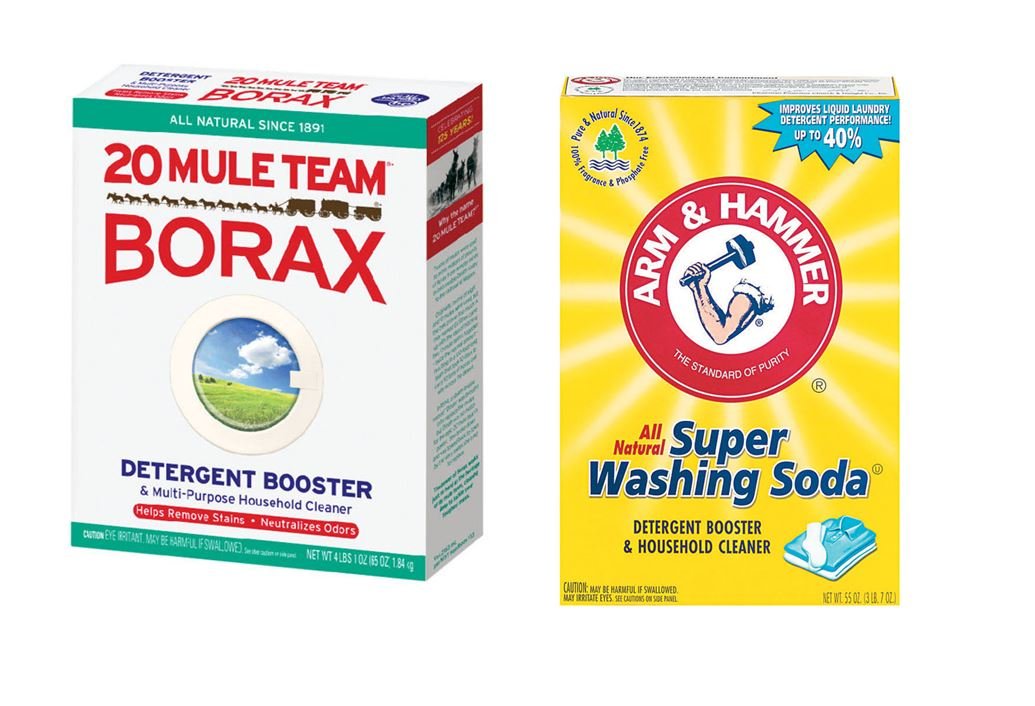
Handheld Grater (a cheese grater will do!)

A secure container to store your detergent

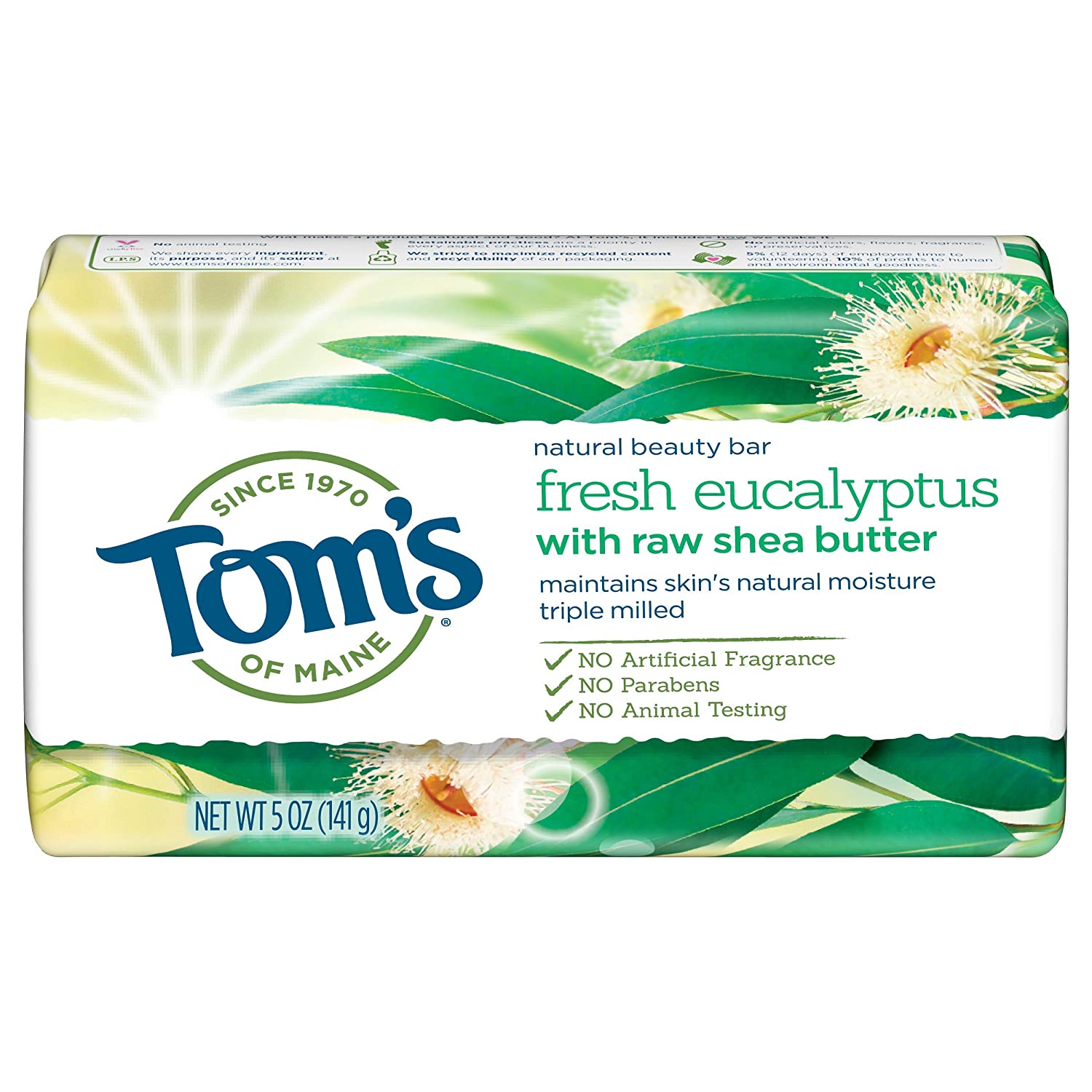
Step 1 – Grate your soap!
If you opted to get soap flakes for this then skip ahead to step 2.
If you are using bar soap then simply grate your bar into flakes using a standard cheese grater, the amount you grate is up to you depending on how much you want to make.
Step 2 – Mix your ingredients
Now in a bowl or the container you wish to store your detergent, mix your remaining ingredients together with the soap flakes. We recommend you do 2 parts borax, 2 parts washing soda for every 1 part soap flakes.
That’s it! Your homemade laundry detergent is finished, we recommend using up to 3 tablespoons per wash and now all that’s left is to keep it stored in an airtight container out of the way so your children and/or pets can’t accidentally come across it.
In Summary
We hope this article at the very least, opened your eyes to how destructive traditional laundry detergents can be to the environment and hopefully it has inspired you to make the small change towards a greener lifestyle. Or maybe you have some experience using these detergents in your already eco lifestyle?
Whatever your background is we’d love to hear your opinions on the subject, so let us know in the comments below if you have any advice for others, believe we have overlooked something or just have a question for us, we’d love to hear from you!
